Class III Jaw Surgery & Invisalign: What Boston Patients Need to Know
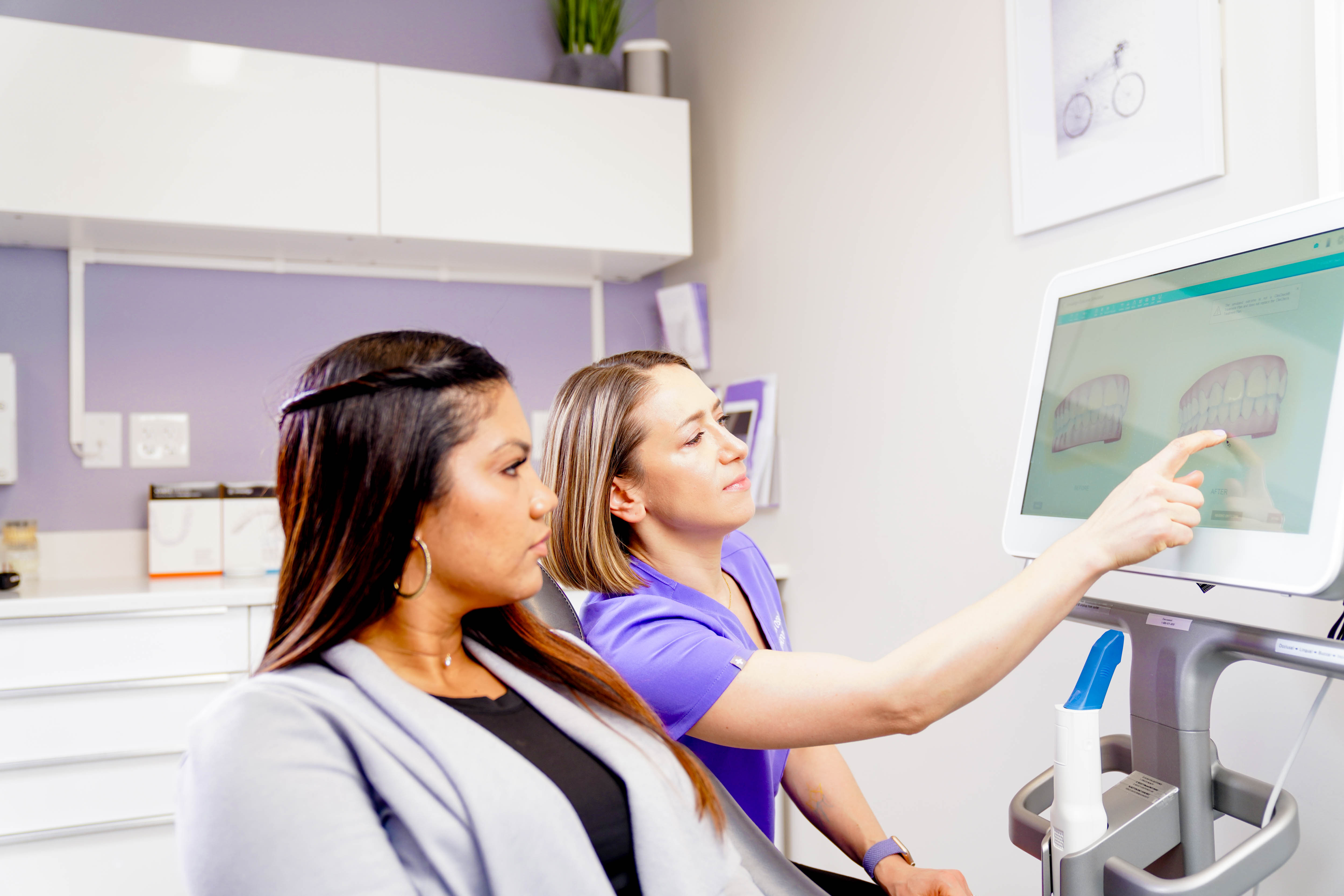
If you or your child has an underbite, facial asymmetry, or bite issues that Invisalign alone hasn’t fully corrected, you may be wondering whether jaw surgery is necessary. At Seaport Smiles, a boutique orthodontic practice in Boston’s Seaport District, we help adults, teenagers, and parents understand when Invisalign jaw surgery is the right solution—and when it isn’t.
Led by Dr. Ella Osborn, DMD, MSD, a board-certified Boston orthodontist and Diamond+ Invisalign Provider, our practice specializes in Invisalign, adult orthodontics, and facial aesthetics with a highly personalized, technology-driven approach.
What Is Class III Jaw Surgery?
Class III jaw surgery is used to correct a skeletal underbite or facial asymmetry when the jawbones—not just the teeth—are misaligned.
When Invisalign Alone Isn’t Enough
While Invisalign Boston is excellent for straightening teeth, aligners can’t move the jaws themselves. In true skeletal Class III cases, trying to “camouflage” the problem with orthodontics alone can:
- Push teeth beyond healthy limits
- Create bite instability
- Leave facial imbalance unresolved
Jaw surgery corrects the foundation of the bite, leading to better long-term results.
Is Jaw Surgery Safe?
This is one of the most common concerns we hear during an orthodontic consultation—and the answer is reassuring.
Modern jaw surgery uses:
- 3D digital scans
- CT imaging
- Virtual surgical planning
- Rigid fixation (plates and screws, not wiring jaws shut)
Most patients wear light elastics after surgery and recover without major complications. Temporary numbness or swelling can occur, but serious issues are rare.
Experience matters here.
While many orthodontists treat only 5–10 surgical cases in their entire careers, Dr. Osborn has treated hundreds of Invisalign and jaw surgery cases—giving patients confidence in both planning and outcomes.
What Actually Happens During Surgery?
Most Class III cases involve a combination of:
- Upper jaw repositioning to level and balance the face
- Lower jaw adjustment to correct the underbite
- Optional chin refinement for facial harmony
Everything is planned digitally before surgery, so movements are precise and predictable.
How Does Invisalign Fit Into Jaw Surgery?
At Seaport Smiles, Invisalign is used both before and after surgery.
Typical Treatment Timeline
- Invisalign to prepare teeth for surgery
- Pre-surgical digital scan
- Jaw surgery
- Post-surgical scan and refinement Invisalign
- Final retainers
Because healing speeds up tooth movement, many patients finish faster than expected. We also offer remote monitoring technology, allowing Invisalign patients to check in virtually between visits—ideal for busy adults and teens.
Is Jaw Surgery Covered by Insurance?
Jaw surgery is usually considered a medical necessity, not cosmetic. Most medical insurance plans cover a significant portion after deductibles. Our team helps guide patients through the pre-authorization process so there are no surprises.
What If I Don’t Do Surgery?
Without surgery:
- The underbite and asymmetry remain
- Teeth must compensate unnaturally
- Long-term wear or TMJ issues may develop
With surgery:
- Improved facial balance
- Stronger, more stable bite
- Better function and confidence
- Results designed to last
Why Choose Seaport Smiles?
- Boutique, personalized care
- Diamond+ Invisalign expertise
- Extensive jaw surgery experience
- Adult-focused, aesthetics-driven orthodontics
- Convenient Seaport District location
Schedule Your Free Orthodontic Consultation
If you’re searching for a Boston orthodontist, adult braces Boston, orthodontist for teenagers, or expert guidance on Invisalign jaw surgery, we’re here to help.
📍 Seaport Smiles
268 Summer St, Floor 2
Boston, MA 02210
📞 617-752-2220
👉 Schedule your free consultation today and get clear, honest answers about your best path forward.
Related Articles

Conservative TMJ Treatment: Non-Surgical Relief for Jaw Pain
<h2>Evidence-Based Palliative Therapy for Temporomandibular Joint Dysfunction</h2>...

Orthodontic Dentistry: Can Moving Your Teeth Help You Save Them?
<h2>A Conservative Alternative to Extractions, Implants, and Aggressive Restorative Dentistry</h2>...
Ready to Start Your Smile Journey?
Schedule a consultation with Dr. Osborn and discover how we can transform your smile.
Book a Consultation