Orthodontic Dentistry: Can Moving Your Teeth Help You Save Them?
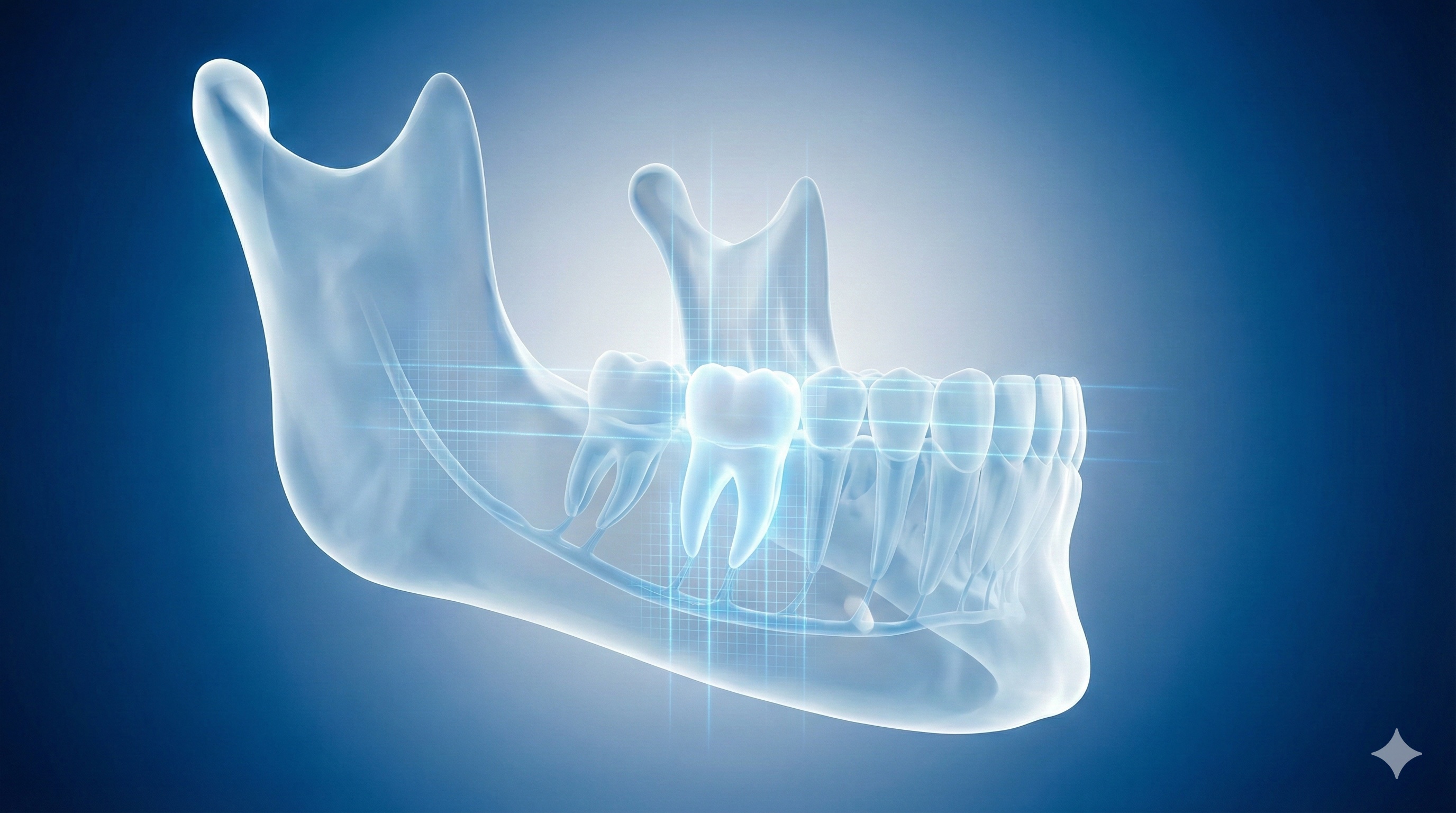
A Conservative Alternative to Extractions, Implants, and Aggressive Restorative Dentistry
TL;DR
If you've been told you need extractions, implants, or extensive crowns due to worn, crowded, fractured, or misaligned teeth, there may be another option worth exploring first: orthodontic dentistry.
Orthodontic dentistry uses strategic tooth movement before restorative treatment to improve bone support, bite stability, gum health, and long-term prognosis. In many adult cases, repositioning teeth first can reduce the need for extractions, minimize surgery, and make restorations more predictable and conservative.
This article explains what orthodontic dentistry is, when it may help preserve natural teeth, and why it should be considered before removing or replacing anything.
What Is Orthodontic Dentistry?
Definition
Orthodontic dentistry is an interdisciplinary treatment approach that uses orthodontic tooth movement to position teeth in their optimal biological location before restorative procedures such as crowns, veneers, implants, or full-mouth rehabilitation.
According to the interdisciplinary viewpoint letter by Richard Schmidt, orthodontic dentistry denotes achieving the best possible outcome dentistry can offer when teeth are positioned in their optimal locations — periodontally, restoratively, functionally, and aesthetically.
In Practical Terms
- Teeth are moved into healthier positions
- Bone and gum support can improve
- Bite forces are redistributed
- Restorations become less invasive and more durable
Why This Matters More in Adults Over 40 and 50
Modern preventive dentistry has reduced decay in younger patients. However, adults over 55 now represent a significant portion of dental demand, often presenting with:
- Severe anterior tooth wear
- Reduced vertical dimension (collapsed bite)
- Missing teeth with tipped adjacent teeth
- Gum recession
- Bone loss
- Fractured teeth
- Complex restorative histories
The growing population over age 55 has created increasing demand for conservative yet comprehensive care. The key question becomes:
Do we replace what is damaged first — or optimize the environment so the remaining teeth can survive longer?
Why "Move First, Restore Second" Can Improve Long-Term Prognosis
Orthodontic tooth movement can:
- Improve bone architecture
- Increase restorative space
- Redistribute occlusal forces
- Upright tipped teeth
- Improve hygiene access
- Reduce the need for surgical crown lengthening
- Reduce the amount of tooth reduction required for crowns
When orthodontics is considered first, restorative dentistry often becomes:
- More conservative
- More predictable
- More biologically sound
Can Orthodontic Dentistry Help You Avoid Tooth Extraction?
Short answer: Sometimes, yes.
Extraction is occasionally necessary. However, in certain cases:
- Crowded teeth can be aligned to improve periodontal health
- Tipped teeth can be uprighted to support implant placement instead of removing additional teeth
- Space can be created orthodontically rather than by removing teeth
Orthodontic repositioning allows clinicians to evaluate whether a tooth truly has a hopeless prognosis — or simply a compromised position.
Can Orthodontic Tooth Movement Improve Bone Support?
Yes — under the right conditions.
One of the most compelling concepts in orthodontic dentistry is that bone follows tooth movement. Clinical examples demonstrate that orthodontic mesialization of a lateral incisor can stimulate bone formation in areas previously lacking adequate bone for implant placement.
This concept is often referred to as:
- Orthodontically induced bone generation
- Site development via orthodontics
This may reduce or modify the need for:
- Bone grafting
- Complex surgical procedures
- Immediate implant replacement
Can Orthodontics Help with Worn Teeth?
Yes — particularly in cases of anterior wear and reduced vertical dimension.
The most common restorative challenges identified by dentists include:
- Extensive anterior wear (31 votes)
- Reduced vertical dimension (26 votes)
- Aesthetic dilemmas (23 votes)
- Lack of interocclusal space (22 votes)
When front teeth are worn:
- The bite often collapses
- Restoring them without correcting occlusion may lead to fracture
- Simply placing crowns does not address force direction
Orthodontic treatment can:
- Re-establish anterior guidance
- Improve force distribution
- Create restorative space
- Reduce the amount of tooth structure removed
In many cases, orthodontic correction improves the prognosis of the restorative phase.
Can Orthodontics Help Before Dental Implants?
Often, yes.
Common pre-implant problems include:
- Tipped adjacent teeth
- Insufficient vertical space
- Narrow implant sites
- Compromised angulation
Orthodontic uprighting and space management can:
- Improve implant positioning
- Improve load distribution
- Improve long-term prosthetic outcomes
Placing implants without addressing these issues may compromise long-term stability.
Can Orthodontic Dentistry Help with Periodontal Concerns?
In selected cases:
- Aligning crowded teeth improves hygiene access
- Moving roots into bone can improve periodontal architecture
- Repositioning teeth can reduce traumatic occlusion
Orthodontic dentistry does not cure periodontal disease — but it can improve the mechanical environment in which periodontal therapy succeeds.
Is Orthodontic Dentistry the Same as Cosmetic Orthodontics?
No.
Cosmetic orthodontics focuses primarily on:
- Smile alignment
- Aesthetic improvement
Related Articles

Conservative TMJ Treatment: Non-Surgical Relief for Jaw Pain
<h2>Evidence-Based Palliative Therapy for Temporomandibular Joint Dysfunction</h2>...


Do Adults Really Need Orthodontic Treatment? A Clinical Guide for Boston Adults
When Orthodontic Treatment Is Functional — Not Just Cosmetic...
Ready to Start Your Smile Journey?
Schedule a consultation with Dr. Osborn and discover how we can transform your smile.
Book a Consultation